

Ort: WWZ Auditorium
Lecture by Prof. Dr. Michael Meyer, WU Vienna
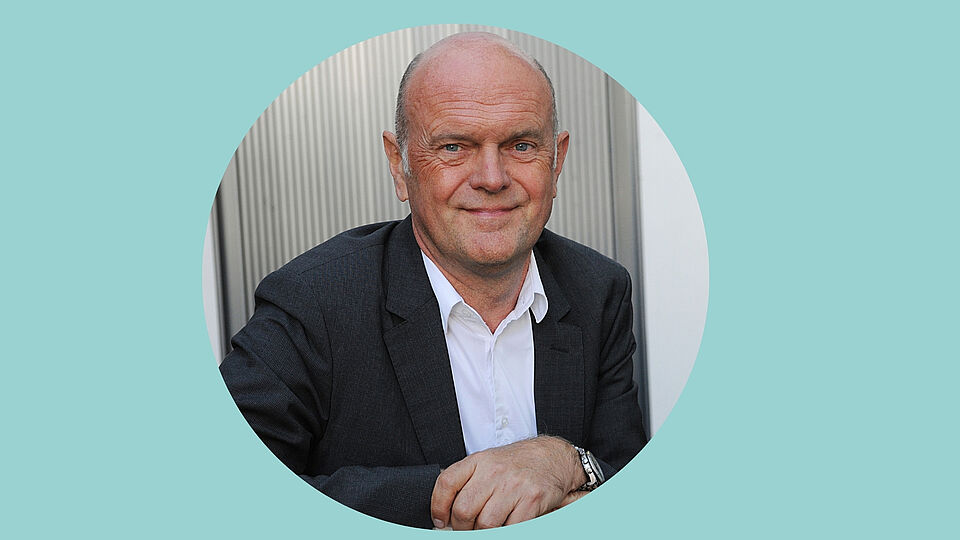
Public lecture by Professor Michael Meyer on the topic: What We Know About Nonprofits – and What We Really Should Know
Thursday, November 26, 2026 at 18:15 in the Auditorium of the WWZ, Peter Merian-Weg 6, Basel, followed by an Apéro.
No registration required.
Program
18:15 Welcome by Dean Prof. Dr. Beat Hintermann
18:20 Lecture by Prof. Dr. Michael Meyer
19:00h Public Discussion
19:15h Apéro
Abstract
Nonprofit organizations are ubiquitous in modern societies. They provide essential services, mobilize citizens, advocate for political and social causes, redistribute resources, and create spaces for collective action. They therefore offer a particularly rich setting for studying fundamental questions about organizations, institutions, governance, and societal change. Indeed, public and nonprofit organizations figured prominently in the formative works of modern organization studies, from Weber’s bureaucracy and Barnard’s cooperative systems to Selznick’s institutional analysis and March and Simon’s studies of organizational decision-making. Only later did business organizations become the predominant empirical setting for much organizational research.
Over the past decades, nonprofit scholarship has developed into a specialized and productive research field, generating substantial knowledge about the distinctive characteristics of nonprofits and nonprofit-specific actors such as volunteers and donors. Much of this research has consequently focused on questions of sector origins, governance, volunteering, donating, and organizational impact. Less attention has been paid to a broader question that connects nonprofit research directly to major conversations across the social sciences: How do nonprofit organizations shape societies? I propose a reorientation from organizational forms and origins toward practices and their societal effects. There are various channels through which nonprofits contribute to macro-level outcomes. Examining what nonprofits do, under what conditions, and with what consequences can therefore contribute not only to our understanding of the nonprofit sector, but also to broader theories of organizations, institutions, markets, democracy, and societal change.
Veranstaltung übernehmen als iCal
Quick Links
Social Media