

The Rise of International Environmental Risks: Corporate and Government Strategies
by Prof. John Wargo
This graduate course will examine global food challenges that affect environmental quality and human health. A wide diversity of laws and regulations apply to food: air and water quality, biotechnology, pharmaceuticals, pesticides, plastics, energy, carbon pricing and exchanges, emission limits, pollution trading rights, land use, tariffs, subsidies, taxes, territorial and geographic designations, and certification.
We will critically examine corporate political strategies, differing legal standards among nations, trade barriers, changing consumer preferences, mergers & acquisitions, public subsidies, vertical ownership of
value chains, advertising trends, and organic certification standards. Comparisons will be made among Swiss, EU, and US laws and regulations where possible.
You will learn to evaluate the effectiveness of environmental laws and policies that have been adopted to address a diversity of challenges the world faces.
- Transboundary Environmental Risk & Law: Lessons from Nuclear Technologies
- Food, Agriculture & Technology: Cost-Benefit vs Risk-Only Decision Criteria
- Trade & Environmental Risks: International Law vs NGO Certification: Palm Case
- Plastics, Wastes, & Contamination: Pathways toward a Circular Economy
- Biotechnology, Oligopoly, & Environmental Risk Management
- Certification of Food Quality: Organic Standards
- Air Quality and Planetary Health: Control Strategies to Protect Health, Climate, Economy
- Diet, Energy, & Climate: Strategies to Improve Health and Climate Stability.
For each of these cases, students will be challenged to consider the following:
- Laws, Regulations, and Policies: Purposes, Evaluation Criteria, Effectiveness Assessment
- Economic Valuation of Benefits & Externalities
- Disparities: Who Benefits, Who is Harmed?
- Scientific Evaluation of Environmental & Health Risks
- Ethical Reasoning Relevant to Decision-Making
- Private Sector Initiatives to Reduce Negative Environmental Effects.
Tuesday, 2 August 2022: 9:45 - 12:15
Wednesday, 3 August 2022: 9:45 - 12:15
Thursday, 4 August 2022: 9:45 - 12:15
Friday, 5 August 2022: 9:45 - 12:15
Monday, 8 August 2022: 9:45 - 12:15
Tuesday, 9 August 2022: 9:45 - 12:15
Wednesday, 10 August 2022: 9:45 - 12:15
Thursday, 11 August 2022: 9:45 - 12:15
Solid understanding of business and economics on the bachelor level. The following courses are helpful.
Environmental and Resource Economics (10160)
Public Choice and Public Economics (10148)
Globalization and European Integration (Globalisierung und europäische Integration, 34504)
You are expected to attend every class. Final grades will be determined as follows:
- 20% Participation in Discussions
- 40% Essay 1500 words: Due 12 August 2022, 15:00
- 40% Take Home Exam: Tentative Due Date: 19 August 2022, 15:00.




Wirtschaftswissenschaftliche Fakultät
News




Events
Ort: Zoom
Veranstalter:
CAS Sustainable Real Estate
Digital Info Session | CAS Sustainable Real Estate
Do you have a passion for advancing sustainability where it truly counts? Unlock your potential to transform real estate investment for a sustainable future with our “CAS Sustainable Real Estate” at the University of Basel.Ort: WWZ Auditorium
Basel Capital Market Days 2026 | 5. Ausgabe
Anlegen in Zeiten geopolitischer UnsicherheitOrt: WWZ Auditorium
Veranstalter:
ProFamilia
Wer gewinnt, wer verliert?
Sparen, Schulden und Finanzen | Die Veranstaltung ist ein Engagement von Pro Familia Basel Regio im Rahmen der jährlichen «Swiss Money Week», die auf Finanzthemen sensibilisiert.Ort: Zoom
Veranstalter:
MBA Marketing and Business Development
Digitaler Infoabend des MBA Marketing and Business Development
Schenk dir selbst Zukunft – mit dem MBA der Universität BaselOrt: Zoom
Veranstalter:
MBA Finance | Executive Master in Finance (MiF)
Digital Info Session | MBA Finance | Executive Master in Finance (MiF)
🚨 Financial professionals, take notice 👇🏼WWZnewsletter




People

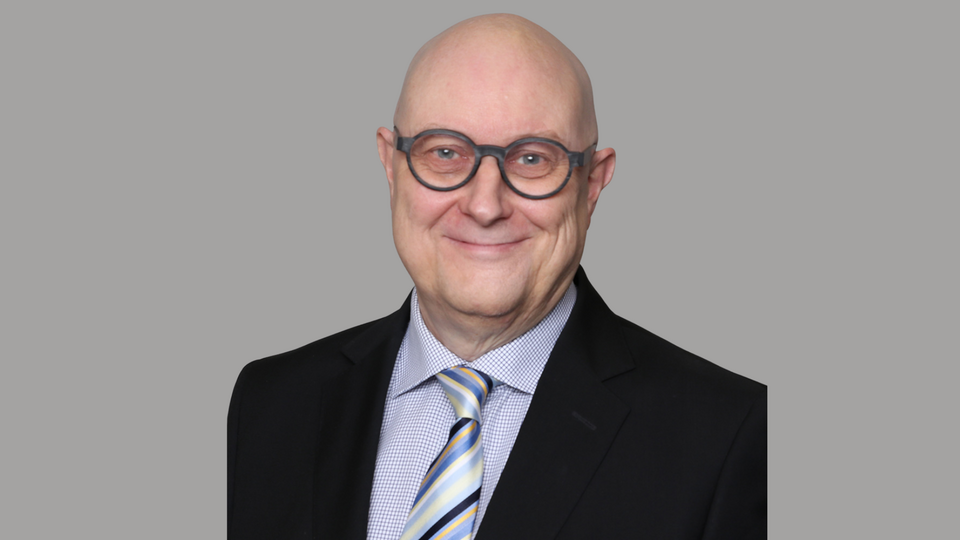
Prof. Dr. Kurt SchmidheinySteuerwettbewerb, Fiskalföderalismus und Stadtökonomie





Research Centers

Die Wirtschaftswissenschaftliche Fakultät
Gegründet 1460 ist die Universität Basel die älteste Hochschule der Schweiz. Die Wirtschaftswissenschaftliche Fakultät ist die zweitjüngste der insgesamt sieben Fakultäten der Universität Basel und wurde 1995 etabliert. Das Fach Ökonomie konnte zu diesem Zeitpunkt jedoch schon auf eine fast 150-jährige Tradition in Basel zurückblicken.

WWZ Forum
Das WWZ Forum koordiniert und betreut die durch den Förderverein unterstützten Forschungsprojekte, pflegt den Kontakt mit bestehenden und zukünftigen Sponsoren und ist für den Wissenstransfer der in der Forschung erarbeiteten Inhalte verantwortlich.
Quick Links
Social Media
Quick Links
Social Media